Matting feels sudden. A dog looks fine in September and arrives at a Richburg salon in November wearing what feels like armor. In reality mats build on a calendar: slowly in the easy months, fast in the wet and heavy-shedding ones, and always in the same friction spots first. Reading the year the way a groomer does turns matting from a surprise into a schedule you can stay ahead of.
How a mat actually forms
Loose hair is the raw material. In any coat that grows or sheds, dead hair that is not brushed out stays tangled in the living coat. Friction winds it tighter, behind the ears from head shaking, under the collar, in the armpits and groin where legs move, and where a harness rubs. Moisture sets it: a wet coat that dries unbrushed, which in this region means every rainstorm, creek walk, and summer hose game, compresses tangles the way felting works on wool. Dirt adds grip. Within weeks a loose tangle becomes a dense mat, and a dense mat pulls on skin with every step the dog takes.
| Season | What the coat is doing | Matting risk | The move that matters |
|---|---|---|---|
| Spring | Winter coat sheds out; pollen loads the coat; rain is frequent | High | Brush the shed out weekly, rinse pollen off, and never let a wet dog dry unbrushed. |
| Summer | Swimming, humidity, and hose play keep coats damp; cuts often grow out | High for long coats | Dry and brush after swims, check armpits and ears weekly, keep summer grooms on schedule. |
| Fall | New winter undercoat grows in under the old; shedding resumes | Moderate, rising | Comb check as the coat thickens; a tangle hidden in October is a mat by the holidays. |
| Winter | Growth slows, coats stay longer between grooms, sweaters and coats rub | Moderate, friction driven | Brush under anything the dog wears, and keep feet and belly trimmed so ice and mud release. |
Why dematting has a humane limit
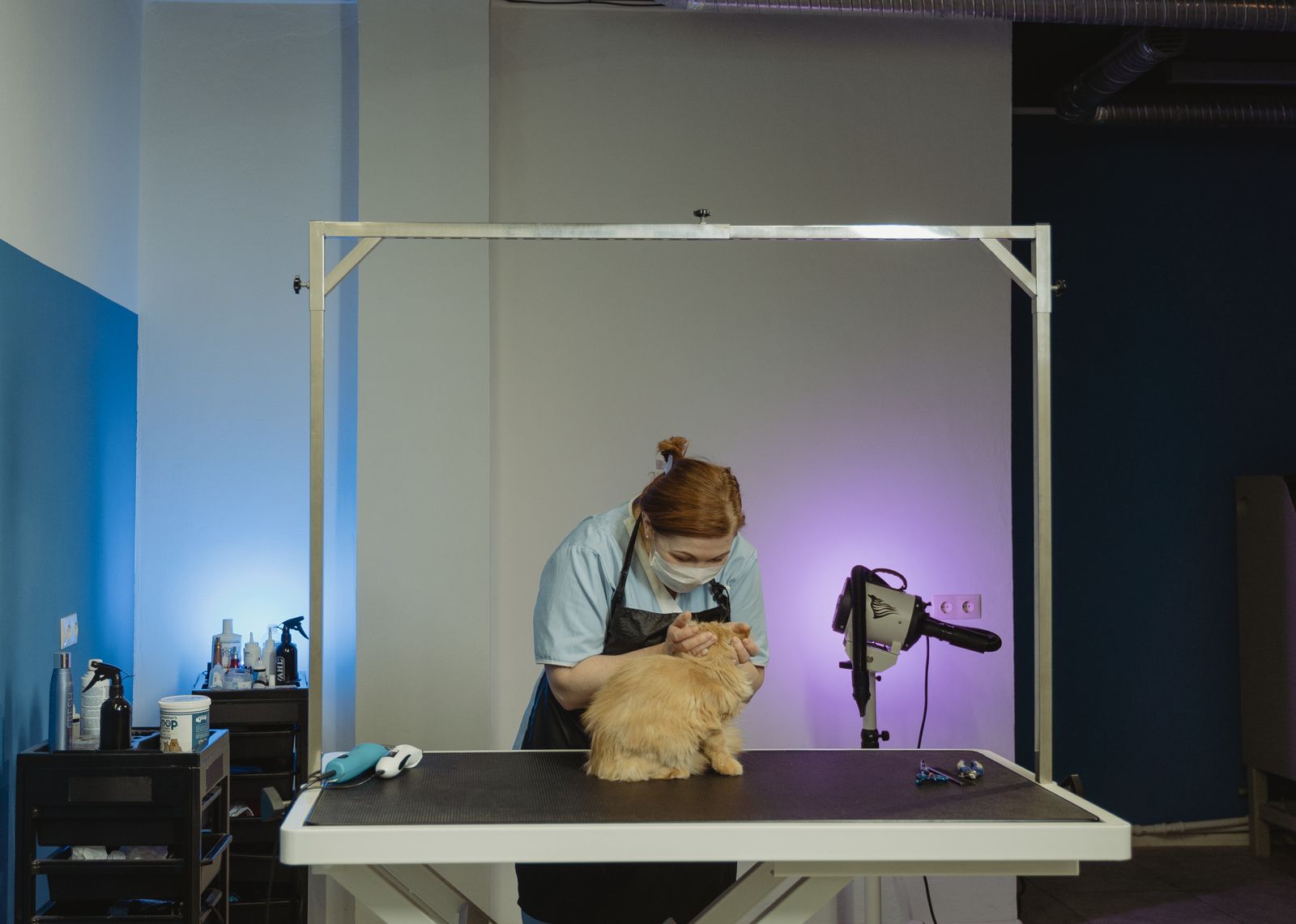
Small, loose tangles brush out. A felted mat does not; it has to be split, worked, and pulled apart strand by strand, and every pull tugs skin that is already irritated underneath. Mats also trap moisture and hide what is under them: groomers regularly find hot spots, sores, and even debris sealed against the skin when a heavy mat finally comes off. This is why groomers draw a line. A few mats get worked or clipped out individually. A coat matted across the body gets clipped short, under the mats, because the alternative is an hour or more of pain the dog cannot consent to, for hair that will regrow in weeks.
Owners sometimes ask for the mats to be brushed out anyway, imagining patience solves it. Patience is not the constraint; skin is. At Pawsitively Purrfect Pet Grooming, de-shedding treatments and regular trims exist on the same logic as this calendar: prevent the felt, and the hard conversation never has to happen. If it does happen, take the short cut, then book the next two grooms before you leave, and brush the regrowth while it is short and forgiving.
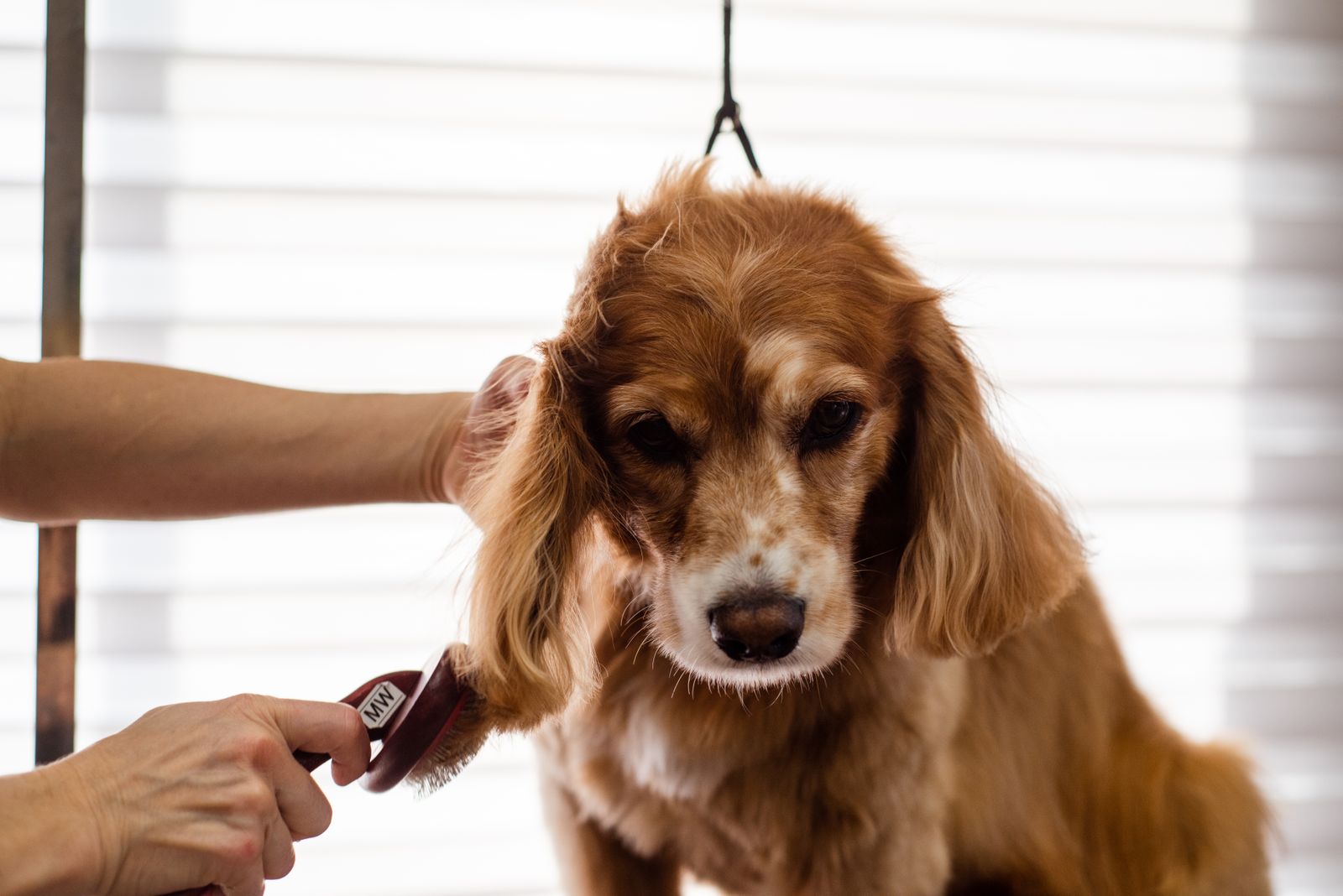
The home workload that prevention asks for is smaller than owners fear. Five minutes with a comb twice a week catches what a brush misses, and it catches it at the stage where a snag is still a thirty second fix. The friction spots are few enough to memorize in one session: ears, collar line, armpits, groin, tail base, and the backs of the legs. Everything else on the dog can ride along on the grooming schedule without much attention at all.
Test your own dog against the calendar today. Run a comb behind the ears, under the collar, and into both armpits. Wherever it snags is next month's mat, arriving early enough for a brush to still fix it. That two minute check, done monthly, is the entire secret the calendar is trying to teach.
Common questions
Can a mat hurt my dog, or is it just ugly?
It hurts. A mat pulls skin with movement, traps moisture, and can hide sores and irritation underneath. Tight mats over joints, ears, and toes are genuinely painful, which is why groomers will not leave them in place.
Will conditioner or detangler save a matted coat?
Products help loose tangles during brushing and reduce future friction. They cannot undo felting. Once hair has compacted into a solid mat against the skin, clipping under it is the safe removal method.
How do I stop mats under the collar specifically?
Take the collar off for brushing sessions and comb that ring of coat fully, since the collar hides it from view and rubs it all day. A rolled leather collar tangles less than a flat one on long coats.
Photos in this guide are representative stock images.
← All guides from Pawsitively Purrfect Pet Grooming← Back to Pawsitively Purrfect Pet Grooming